Cirrhosis: A Progressive Liver Disease You Should Not Ignore
What is it?
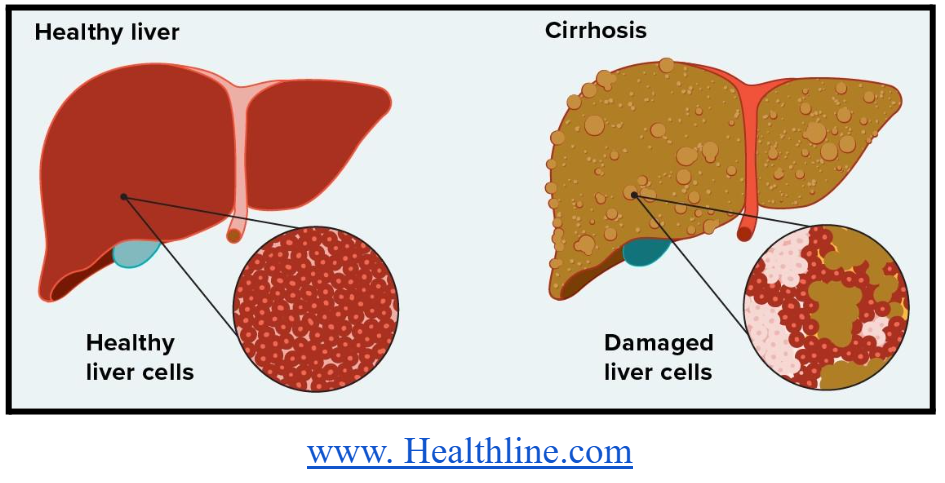
Cirrhosis is a progressive liver disease characterized by the replacement of healthy liver tissue with scar tissue, which impairs liver function over time. This condition can result from various chronic liver diseases and can lead to severe complications if not managed properly.
Causes of Cirrhosis:
Several factors contribute to the development of cirrhosis, including:
- Excessive alcohol consumption
- Chronic hepatitis B or C
- Non-Alcoholic Fatty Liver Disease (NAFLD)
- Bile duct diseases
- Genetic disorders
- Autoimmune diseases
- Exposure to poisons
Symptoms:
In the early stages, cirrhosis may not present noticeable symptoms, but as the disease progresses, various signs can emerge. Common early symptoms include:
- Fatigue
- Nausea or loss of appetite
- Unintentional weight loss
- Mild pain in the upper right abdomen
- Feeling generally ill (malaise)
- Visible blood vessels that look like spiders
- Redness on the palms of your hands
As cirrhosis advances, more severe symptoms may develop, including:
- Jaundice (yellowing of the skin and eyes)
- Itchy skin, but with no visible rash
- Swelling in the legs (oedema) and abdomen (ascites)
- Confusion and difficulty thinking clearly
- Digestive difficulties, especially with fats
- Unexplained weight loss and muscle loss
- Disruptions to your menstrual cycle
- Easy bruising and bleeding
- Blood in your vomit or blood in your poop
- Dark urine and pale stools
These symptoms are indicative of declining liver function and complications related to portal hypertension, which occurs when scar tissue obstructs blood flow through the liver.
Diagnosis of Cirrhosis:
Diagnosis typically involves a combination of:
- Medical history and physical examination: Assessing symptoms and risk factors.
- Blood tests: Evaluating liver function and detecting liver damage markers.
- Imaging tests: Ultrasound, CT scans, or MRIs can reveal liver abnormalities.
- Liver biopsy: A tissue sample may be taken to assess the extent of liver damage.
Treatment of Cirrhosis:
While there is no cure for cirrhosis, treatment focuses on managing the underlying causes and preventing further liver damage. This may include:
- Lifestyle changes: Avoiding alcohol, maintaining a healthy diet, and managing weight are crucial.
- Medications: To manage complications such as infections, fluid retention and liver-brain disorder.
- Regular monitoring: Regular check-ups to monitor liver function and screen for complications like liver cancer.
- Managing conditions like diabetes and obesity
- Liver transplant: In severe cases, liver transplantation may be considered if the liver can no longer function adequately
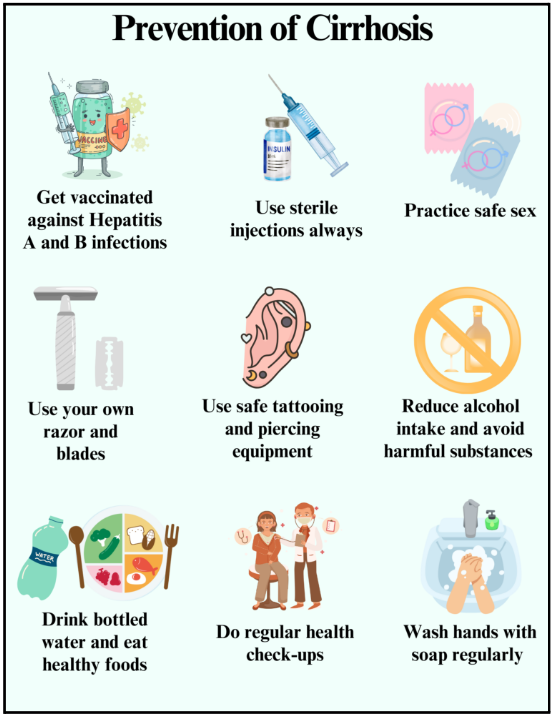
Preventive measures: