


Fatty Liver Disease is emerging as a silent epidemic in India. Some experts suggest that 4 out of 10 people may be affected, and the numbers are steadily rising. It happens when extra fat builds up in the liver. If more than 5% to 10% of the liver’s weight is fat, then it is called fatty liver. While one type is caused by heavy alcohol use, our focus is on Non-Alcoholic Fatty Liver Disease (NAFLD), which affects even those who do not drink alcohol. If not treated, it can lead to serious liver problems. The good news is that early-stage NAFLD can be reversed with timely lifestyle changes and proper care.
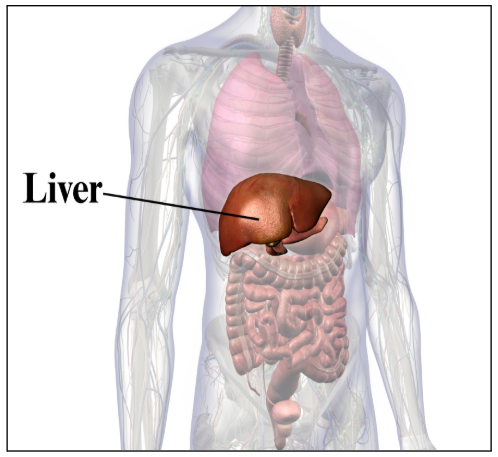
Fatty liver disease is not just a minor health issue; it can silently damage the liver over time without showing any symptoms in the early stages. As it progresses, it may lead to serious complications such as liver inflammation, fibrosis (scarring), liver failure and even liver cancer. But the damage does not stop there. Fatty liver is closely linked to high blood pressure, heart disease, abnormal cholesterol levels and metabolic syndrome, making it a major threat to overall health and longevity. Ignoring it can have life-threatening consequences.
Most people with fatty liver have no symptoms in the beginning. Initial symptoms may include those that could be due to other reasons as well
As the fatty liver progresses to a more severe form, additional symptoms like swelling in the abdomen or legs, yellowing of the skin (jaundice), shortness of breath, spider-like blood vessels just beneath the skin's surface, enlarged spleen, red palms and confusion may appear. Itchy skin — all signs of advanced liver damage.
Several health conditions and lifestyle factors can raise your risk of developing NAFLD, including:
Since it is silent, it must often get detected during routine health check-ups through ultrasound or blood tests. To confirm the diagnosis, doctors review the patient’s medical history and may recommend additional tests like FibroScan, which measures liver stiffness or liver biopsy in more advanced cases. These tests help assess the extent of liver damage and rule out other liver diseases.
There is no specific medication for treating at present. However, lifestyle changes are highly effective in stopping liver damage and even reversing early-stage disease. If you are diagnosed with fatty liver, your doctor may recommend the following:
Fatty liver disease is a silent yet serious condition affecting people of all age groups, including children. With increasing sedentary lifestyles and unhealthy diets, the burden of fatty liver is growing rapidly in India. Early detection and proactive lifestyle changes are key to protecting your liver health.